


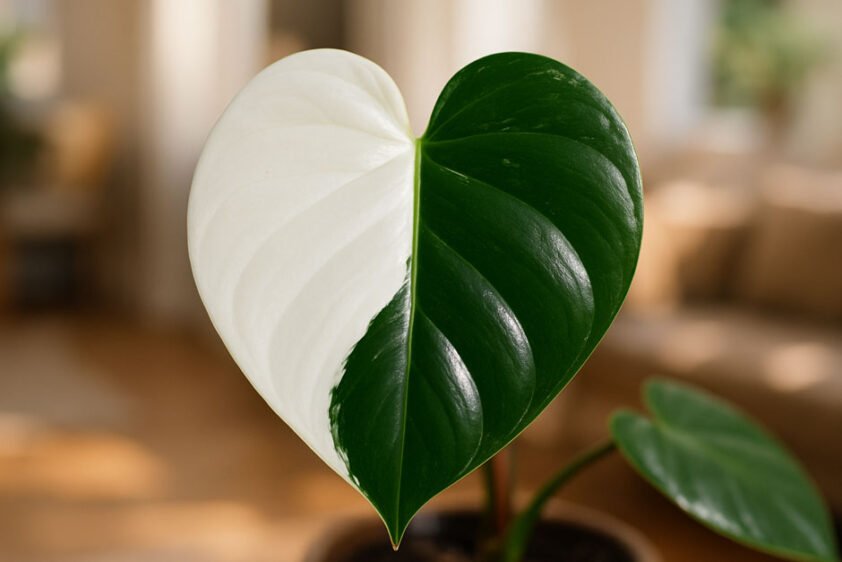
1. Introduction: What Makes the White Wizard Philodendron So Special?
Is there a houseplant that combines the lush, tropical feel of a Philodendron with the striking, ethereal beauty of pure white variegation? The answer is a resounding yes, and it comes in the form of the magnificent White Wizard Philodendron. This highly sought-after plant has captivated collectors and casual enthusiasts alike.
A Brief History and Origin
The White Wizard is a cultivar of the classic Philodendron erubescens, a species native to the tropical rainforests of South America. Unlike its all-green relatives, the White Wizard is prized for its unique genetic mutation.
This mutation causes patches of its foliage to lack chlorophyll, resulting in stunning splashes of crisp white against a deep green background. It is a relatively new addition to the houseplant scene, quickly gaining popularity for its dramatic appearance.
The Distinctive Features of the White Wizard
What truly sets the White Wizard apart is its stable, creamy white variegation. The variegation typically appears as large, bold sectors or splashes on the heart-shaped leaves.
Another key identifier is the stem. Unlike the related ‘White Princess’ which has pink accents, the White Wizard boasts stems that are a mix of green and white, a subtle but important detail for collectors.
2. Essential Care: Light, Water, and Soil
Caring for a White Wizard is similar to caring for many other tropical aroids, but its white patches require a little extra attention to thrive.
The Quest for Perfect Light
The most crucial factor for maintaining the White Wizard’s stunning white patches is light. It absolutely requires bright, indirect light to photosynthesize effectively.
Too little light will cause the plant to revert, meaning the new growth will be all green as it tries to maximize chlorophyll production. Conversely, direct, harsh afternoon sun can scorch the delicate white areas.
A spot near an east-facing window or a few feet back from a south or west-facing window is usually ideal. Supplemental grow lights can also be a fantastic solution, especially during winter months.
Watering Wisdom: Avoiding the Soggy Bottom
Like most Philodendrons, the White Wizard prefers its soil to dry out slightly between waterings. Overwatering is the quickest way to kill this plant, leading to root rot.
A good rule of thumb is to water thoroughly when the top two inches of soil feel dry to the touch. Ensure the pot has excellent drainage holes to allow excess water to escape freely.
The Ideal Soil Mix and Repotting
A chunky, well-draining soil mix is essential for the White Wizard. A blend of regular potting soil, orchid bark, perlite, and a little coco coir works wonders.
This mix provides the necessary aeration for the roots while retaining just enough moisture. Repotting should only be done when the plant is visibly root-bound, typically every one to two years.
3. Creating the Perfect Climate: Temperature and Humidity
As a tropical plant, the White Wizard thrives in conditions that mimic its native environment.
Temperature Tolerance
The ideal temperature range for this Philodendron is between 65°F and 80°F (18°C to 27°C). It is not tolerant of cold and should be protected from drafts and temperatures below 55°F (13°C).
Keep it away from air conditioning vents or cold window panes, especially during the colder seasons. Consistent, warm temperatures will encourage steady growth.
Humidity: The Tropical Requirement
High humidity is a major factor in the health and appearance of the White Wizard. While it can tolerate average household humidity, it will truly flourish with levels above 60%.
Low humidity can lead to brown, crispy edges on the white parts of the leaves. Using a humidifier, placing the pot on a pebble tray, or grouping it with other plants can help boost the surrounding moisture.
4. Feeding and Growth: Fertilization and Pruning
Proper feeding and occasional pruning will help your White Wizard maintain its vigor and beautiful shape.
When and How to Fertilize
During the active growing season—spring and summer—the plant benefits from regular feeding. Use a balanced, liquid houseplant fertilizer diluted to half strength.
Fertilize once a month to provide the nutrients needed for healthy leaf and root development. Reduce or stop fertilizing entirely during the dormant winter months.
Pruning for a Bushier Plant
The White Wizard is a climbing plant and will benefit from a moss pole or trellis for support. Pruning is mainly done to control its size and encourage a bushier growth habit.
Simply snip off any leggy or undesirable growth just above a node. This will encourage the plant to branch out and produce new growth points, leading to a fuller appearance.
5. Multiplying the Magic: Propagation Techniques
Propagating the White Wizard is a rewarding way to create new plants and share the magic. Stem cuttings are the most reliable method.
Stem Cuttings in Water
Select a healthy stem with at least one leaf and one node (the bump where the leaf meets the stem). Cut just below the node and place the cutting in a jar of clean water.
Ensure the node is submerged, as this is where the new roots will emerge. Change the water every few days and place the jar in a bright, warm spot. Roots should appear within a few weeks.
Propagating in Sphagnum Moss
Alternatively, cuttings can be placed in moist sphagnum moss. This medium is excellent for root development due to its aeration and moisture retention.
Keep the moss consistently damp and place the container in a clear plastic bag or propagation box to maintain high humidity. Once roots are established, the cutting can be transferred to soil.
6. Troubleshooting: Pests and Common Problems
Even the most well-cared-for plants can encounter issues. Vigilance is key to keeping your White Wizard healthy.
Identifying and Treating Common Pests
Common houseplant pests like spider mites, mealybugs, and thrips can occasionally bother the White Wizard. Inspect the undersides of the leaves regularly for any signs of infestation.
Treating pests early with a gentle insecticidal soap or neem oil solution is highly effective. Repeat applications may be necessary to break the pest life cycle.
Dealing with Yellowing Leaves and Loss of Variegation
Yellowing leaves are often a sign of overwatering or a nutrient deficiency. Check the soil moisture first; if it is soggy, reduce watering frequency.
Loss of variegation (reversion) is usually a light issue. Move the plant to a brighter location to encourage the new growth to display more white. Pruning back the all-green growth can also help.
7. The White Philodendron Family: Wizard vs. Knight vs. Princess
The White Wizard is often confused with its cousins, the ‘White Knight’ and ‘White Princess’. Knowing the differences is essential for collectors.
Key Differences in Stems and Leaf Shape
The White Wizard Philodendron has green and white stems and typically larger, more rounded leaves. The variegation is usually a creamy white.
The ‘White Knight’ has dark, reddish-purple stems and petioles, and its leaves are often more elongated. The ‘White Princess’ has green stems with pink and white variegation, making it the easiest to distinguish.
8. Frequently Asked Questions (FAQ)
Is the White Wizard Philodendron rare?
While it was once considered rare and expensive, increased propagation has made the White Wizard more widely available. It is now best described as a highly sought-after collector’s plant rather than truly rare.
Is the White Wizard Philodendron toxic to pets?
Yes, like all Philodendrons, the White Wizard contains calcium oxalate crystals, which are toxic if ingested. Keep the plant out of reach of curious pets and small children.
How fast does a White Wizard Philodendron grow?
With optimal conditions—bright light, high humidity, and consistent warmth—the White Wizard is a moderate to fast grower. Providing a moss pole will encourage larger leaves and quicker vertical growth.