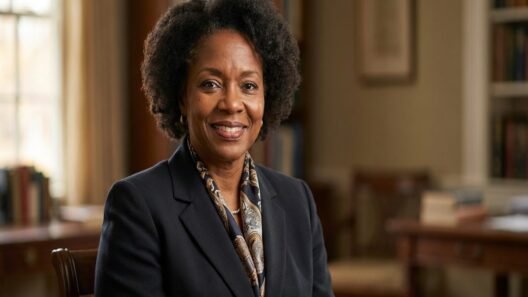


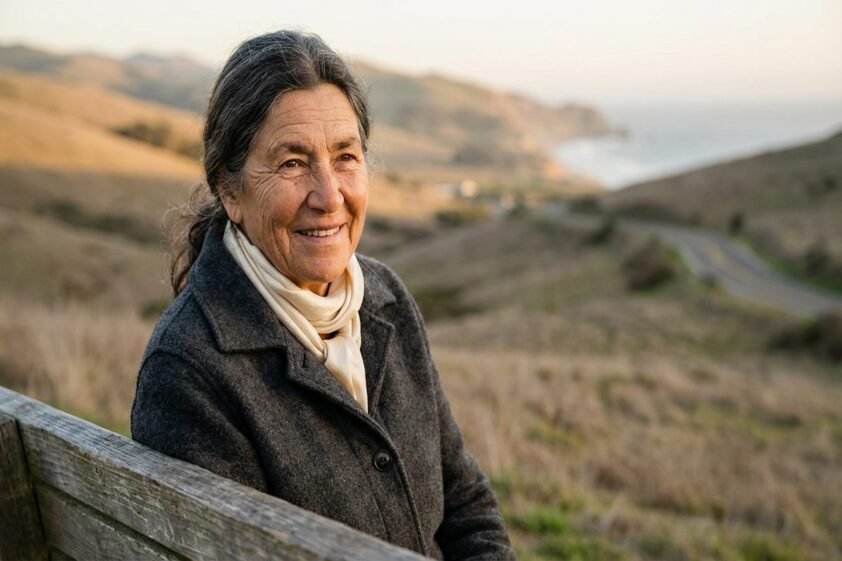
The name Susan Deixler often appears in connection with music legend Barry Manilow, but her story goes far beyond a brief marriage in the 1960s. While many celebrity ex-spouses chase the spotlight, Susan chose a different path entirely.
She built a life centered on healing, family, and community service. Today, she’s recognized not for her famous ex-husband, but for her work as a holistic healer and her dedication to helping others. Her journey from Brooklyn high school student to independent California resident reveals a woman of remarkable strength and grace.
The Brooklyn Years: Susan Deixler’s Early Life
Susan Deixler was born around 1945 in Brooklyn, New York, to parents Nettie and Al Deixler. The family was Jewish, and like many Brooklyn households in the post-war years, they valued education, hard work, and community ties.
Brooklyn in the 1940s and 1950s was a vibrant place, full of diverse neighborhoods and strong cultural traditions. Susan grew up during a time when the borough was experiencing significant change, yet family values remained central to daily life.
At Eastern District High School, Susan wasn’t just another student. She became student government president during her senior year, a role that showed her leadership abilities. She also participated in the chorus, joined the Chemistry Squad and Bowling Club, and was on the swim team. Former classmates remember her as having a “bubbly” personality that made her popular among peers.
Her senior yearbook listed nursing as her career goal. This early ambition to help others would eventually manifest in her later work, though the path would take an unexpected turn.
A High School Romance That Captured Hearts
Meeting Barry Manilow at Eastern District High School
The late 1950s brought a fateful meeting at Eastern District High School. Susan, outgoing and well-liked, caught the attention of Barry Manilow, who was then a quieter student with a smaller circle of friends.
They were an unlikely pair in some ways. Susan was a year behind Barry in school, but that didn’t stop them from forming a connection. They started dating during her junior year, and what began as a typical high school romance soon became something more serious.
Supporting a Future Star
Susan had studied piano herself, which gave her insight into Barry’s musical passion. She wasn’t just a girlfriend; she became his most enthusiastic supporter. She attended his early performances and encouraged him when success seemed uncertain.
Those formative years were crucial for Barry’s development as an artist. Having someone who believed in him made a real difference. Susan provided emotional support during a time when he was still figuring out his musical direction and dreaming of bigger stages.
A Brief Marriage and Its Quiet End
By 1964, the couple decided to marry. Susan was only 19 years old. They held both a civil ceremony and rabbinical vows, honoring their Jewish heritage and family expectations.
Years later, in his autobiography, Barry would describe Susan warmly. He called her “the perfect wife” and remembered her as “adorable, small with great legs and a voluptuous figure” with a “smile that lit up the room.”
But the marriage faced challenges almost immediately. Barry’s music career was beginning to take off, which meant late nights, constant travel, and an unpredictable schedule. By 1966, just two years after their wedding, the marriage was annulled.
There was no scandal, no dramatic confrontation. It was simply a matter of two young people realizing they were growing in different directions. Barry later admitted, “I was out making music every night, sowing my wild oats. I wasn’t ready to settle down.”
He left to pursue what he described as a “wondrous musical adventure.” For Susan, it meant starting over and figuring out who she was beyond being Mrs. Manilow.
Building a New Life: Motherhood and Career
After the annulment, Susan turned her attention to creating a stable, fulfilling life. She became a mother to two children, a daughter named Pauline and a son named Danny. She’s always been protective of their privacy, keeping them out of the public eye.
Motherhood became one of her defining roles. She raised her children with the same values she learned in Brooklyn: authenticity, compassion, and the importance of helping others.
Though she never pursued the nursing career she’d once planned, her desire to care for people never faded. Instead, she discovered holistic healing. This field allowed her to combine her nurturing instincts with alternative approaches to health and wellness.
Susan trained and became certified as a holistic healer. Her practice focused on natural health methods, helping people find balance in their lives. It was work that felt meaningful and aligned with who she truly was.
Finding Peace in Point Reyes Station
Eventually, Susan made her way to Point Reyes Station, a small town in Marin County, California. With a population of around 350 people, it’s about as far from the hustle of Brooklyn or the glitz of Hollywood as you can get.
The quiet coastal community offered exactly what Susan was looking for: simplicity, natural beauty, and the chance to live without constant scrutiny. She settled into a modest home and became part of the local fabric.
In Point Reyes Station, Susan got involved in community initiatives and volunteer work. She supported programs that help underprivileged groups and worked to improve community welfare. Neighbors describe her as fiercely independent yet genuinely caring, someone who contributes without seeking recognition.
This small California town became her sanctuary, a place where she could be herself without the weight of her past defining her present.
Grace and Maturity: Responding to Barry’s Later Life
Decades passed. Barry Manilow’s career soared, and he became one of the most successful performers in music history. Then, in 2014, news broke that he had married his longtime manager, Garry Kief. Three years later, in 2017, Barry publicly came out.
When reporters tracked down Susan for her reaction, she could have said nothing. She could have expressed hurt or anger. Instead, she responded with remarkable grace.
“I wish him well,” she said. “I’m happy for him. I’m glad that he’s found love and happiness.”
She dismissed their marriage as “ancient history” and emphasized that she valued her privacy. “You have to remember that I’m not a celebrity,” she explained. “I have children, a life… all that was a long time ago. I’m a private person but I’m happy for him. I really am.”
Her response revealed a woman who had genuinely moved on, who held no bitterness, and who wanted the best for someone she once loved. It was a moment that earned her widespread respect.
Susan Deixler Today: A Life Well Lived
Now approaching 80, Susan Deixler continues living quietly in Point Reyes Station. She never remarried, choosing instead to focus on her children, her healing work, and her community.
She rarely grants interviews and avoids the media whenever possible. Her life is defined not by a famous ex-husband, but by the relationships she’s built, the people she’s helped, and the values she’s upheld.
Friends and neighbors speak of her with admiration. She’s created a life of purpose and meaning, proving that fulfillment doesn’t require fame or fortune. It requires authenticity, compassion, and the courage to live according to your own values.
The Legacy of Authenticity
Susan Deixler’s story deserves to be told not because of who she married, but because of who she became. She represents a different kind of success, one measured not in headlines or applause, but in quiet dignity and personal integrity.
Her legacy is one of resilience. After a marriage that ended before she turned 22, she rebuilt her life from the ground up. She raised children, pursued meaningful work, and contributed to her community.
Her legacy is also one of grace. When given the opportunity to speak bitterly about the past, she chose kindness instead. She wished her ex-husband well and meant it.
Most importantly, her legacy is one of authenticity. In a world that often rewards performance over substance, Susan Deixler chose to live honestly. She valued privacy over publicity, purpose over prestige, and personal fulfillment over public recognition.
Her story reminds us that a meaningful life isn’t about fame. It’s about staying true to yourself, helping others, and finding peace in your own choices. Susan Deixler did exactly that, and her quiet example speaks louder than any spotlight ever could.