

In the world of comfort food, few dishes evoke the warmth and generosity of Italian-American cooking. Among these classics is a dish you might know by a familiar name, or perhaps by a more regional, affectionate term: mannacote.
This hearty, cheese-stuffed pasta bake, bubbling with rich tomato sauce, is a staple at family gatherings and Sunday dinners, representing a culinary tradition passed down through generations.
What is Mannacote?
If the word “mannacote” doesn’t ring a bell, you’re not alone. At its core, mannacote is a colloquial and regional name for the dish more widely known as manicotti. The term is a perfect example of how language and food evolve together, creating a unique cultural footprint.
The Connection to Manicotti
For many Italian-American families, especially in the Northeastern United States, “mannacote” is simply the name they’ve always used. It’s a phonetic adaptation, a loving mispronunciation of “manicotti” that has been passed from one generation to the next, becoming a cherished part of their family’s vocabulary.
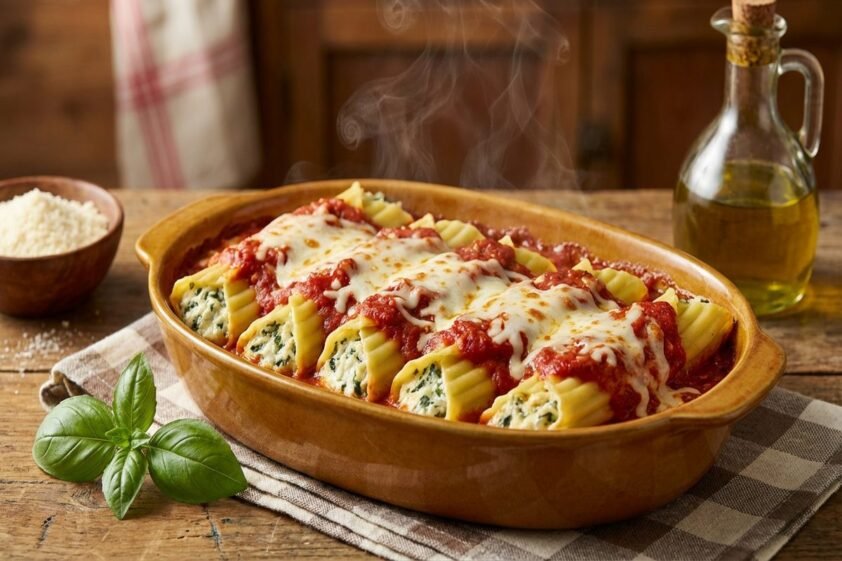
So, is it incorrect to say mannacote? Not at all. It’s a testament to the living, breathing nature of culinary traditions, where the names of dishes are shaped by the people who make and love them. The two terms refer to the same delicious creation: large pasta tubes filled with a creamy cheese mixture and baked in sauce.
A Dish Born from Tradition
The story of mannacote is the story of Italian immigrants adapting their beloved recipes to a new home. While it shares roots with the traditional Italian cannelloni, manicotti as we know it is a distinctly Italian-American invention, designed to be practical and accessible using ingredients available in the United States.
The Heart of the Dish: Ingredients and Preparation
The magic of mannacote lies in the harmonious combination of three simple, yet essential, components. Each element plays a crucial role in creating the dish’s signature flavor and texture.
The Perfect Pasta Tubes
The foundation of the dish is its pasta. Mannacote calls for large, tubular pasta shells that are sturdy enough to hold a generous amount of filling without falling apart during the baking process. These shells are typically boiled until just firm, providing the perfect vessel for the creamy interior.
A Creamy, Flavorful Filling
The soul of mannacote is its filling. A classic recipe features a luscious blend of whole-milk ricotta, shredded mozzarella, and grated Parmesan cheese. This trio creates a filling that is both creamy and flavorful, with a satisfyingly cheesy pull.
To enhance the flavor, fresh parsley, basil, and a hint of garlic are often mixed in. For a heartier version, many cooks add cooked spinach or savory ground meat, such as beef or Italian sausage, to the cheese mixture.
The Rich Tomato Sauce
Blanketing the stuffed pasta is a vibrant tomato sauce. Whether it’s a simple, homemade marinara or a slow-simmered family recipe, the sauce provides a bright, acidic counterpoint to the rich cheese filling. It keeps the pasta moist as it bakes and brings all the flavors together.
How to Make Mannacote: A Step-by-Step Guide
Creating this beloved dish at home is a rewarding process. It’s a labor of love that results in a meal that is both impressive and deeply comforting.
Preparing the Filling
The first step is to create the creamy filling. The cheeses, herbs, and any optional additions like spinach or meat are combined in a large bowl and mixed until smooth. An egg is often added to bind the ingredients together, ensuring the filling stays inside the pasta tubes.
Stuffing and Assembling
Once the filling is ready, it’s time to stuff the cooked pasta shells. This can be done carefully with a small spoon or more easily with a piping bag. The stuffed tubes are then arranged in a single layer in a baking dish, nestled on a bed of tomato sauce.
Baking to Perfection
After arranging the pasta, the remaining sauce is spooned over the top, and a final, generous layer of mozzarella and Parmesan cheese is sprinkled over everything. The dish is then baked until the sauce is bubbling and the cheese is melted and golden brown, filling the kitchen with an irresistible aroma.
Mannacote vs. Similar Dishes
While mannacote is unique, it is often compared to other stuffed pasta dishes from Italian cuisine. Understanding the differences can deepen one’s appreciation for its specific character.
The Difference Between Mannacote and Cannelloni
Mannacote is most closely related to cannelloni. The primary difference lies in the pasta itself. Mannacote, or manicotti, is typically made with pre-formed, ridged pasta tubes. In contrast, traditional cannelloni is made from smooth, rectangular sheets of fresh pasta that are rolled around the filling.
A Dish That Brings People Together
More than just a recipe, mannacote is a dish that embodies the spirit of community and family. It’s a meal designed for sharing, a centerpiece for celebrations and quiet Sunday dinners alike.
The Cultural Significance of Mannacote
For many, the act of making and eating mannacote is a connection to their heritage. It’s a taste of childhood, a reminder of family traditions, and a symbol of the love that is so often expressed through the sharing of food. It stands as a delicious monument to Italian-American culture, a comforting presence on the table that will be cherished for generations to come.