
Receiving a diagnosis of gastroshiza can be an overwhelming experience for any parent. This rare congenital condition, which affects newborns, presents unique challenges that require both medical expertise and emotional resilience.
However, with the right information and support, families can navigate this journey with confidence and hope.
This article provides a comprehensive overview of gastroshiza, from its early signs and causes to the latest treatment options and long-term outlook. By understanding the condition better, parents and caregivers can become empowered advocates for their children, ensuring they receive the best possible care.
Recognizing the Signs Early
Early detection is a critical first step in managing gastroshiza effectively. The signs often become apparent before the baby is even born, allowing medical teams to prepare for immediate intervention.
Physical Indicators at Birth
The most evident sign of gastroshiza is the presence of the baby’s intestines, and sometimes other organs, outside the abdominal cavity. This occurs through a small hole typically located to the right of the umbilical cord.
The exposed organs are not covered by a protective sac, making them vulnerable to the surrounding environment.
Prenatal Detection Methods
Fortunately, gastroshiza is often identified during routine prenatal screenings. An ultrasound scan, usually performed between 18 and 20 weeks of pregnancy, can reveal the abdominal wall defect and the externalized organs.
This early insight allows for specialized delivery planning and immediate access to neonatal care.
Understanding the Root Causes
While the exact cause of gastroshiza remains unknown, researchers have identified several factors that may contribute to its development. The condition arises when the fetal abdominal wall fails to close completely during early pregnancy.
Developmental Factors During Pregnancy
The formation of the abdominal wall is a complex process. A disruption in this development can leave an opening through which internal organs can protrude.
This is not an inherited condition in the typical sense, but rather a sporadic event that occurs during fetal growth.
Risk Factors That Matter
Certain factors have been associated with a higher incidence of gastroshiza. These include younger maternal age (particularly under 20), poor maternal nutrition, and exposure to environmental toxins or certain medications during pregnancy.
A deficiency in folic acid has also been noted as a potential contributing factor.
Medical Diagnosis and Assessment
A definitive diagnosis involves a combination of prenatal and postnatal evaluations. This thorough assessment helps the medical team create a tailored treatment plan.
Prenatal Screening Approaches
Once an ultrasound suggests gastroshiza, further monitoring is conducted to assess the baby’s growth and the condition of the exposed bowel.
This helps in planning for a safe delivery, often at a specialized medical center equipped to handle high-risk births.
Postnatal Evaluation Process
After birth, a physical examination confirms the diagnosis. The medical team will carefully assess the extent of the defect and the condition of the intestines.
Imaging studies, such as X-rays, may be used to check for any associated issues within the abdominal cavity.
Treatment Pathways for Affected Infants
Treatment for gastroshiza begins immediately after birth and is centered around surgically returning the organs to the abdomen and closing the defect.
Immediate Surgical Intervention
In many cases, a primary repair surgery is performed shortly after birth. The surgeon gently places the organs back into the abdominal cavity and closes the opening.
This procedure is often successful when the defect is small and the intestines are in good condition.
Specialized Neonatal Care
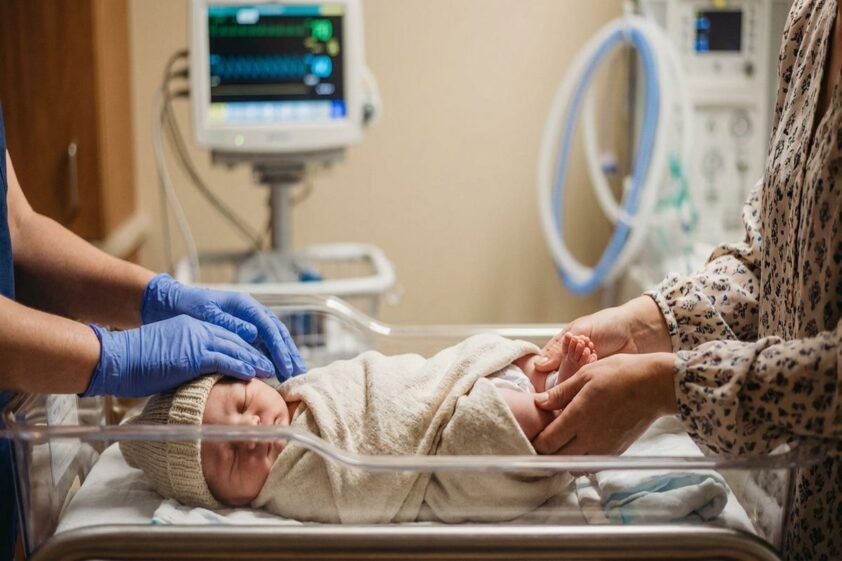
Before and after surgery, the infant is cared for in a neonatal intensive care unit (NICU). A protective covering is placed over the exposed organs to keep them clean and moist.
The baby receives fluids and nutrition intravenously until they can feed normally.
Staged Surgical Approaches
If the abdominal cavity is too small to hold all the organs at once, or if the intestines are swollen, a staged repair is performed. The organs are placed in a sterile, protective pouch called a silo, which is suspended over the baby.
Over several days, the silo is gradually tightened, allowing the organs to settle back into the abdomen before the final closure surgery.
Navigating Potential Complications
Infants with gastroshiza may face several challenges, including a risk of infection, feeding difficulties, and potential issues with bowel function.
The exposed intestines can become irritated or damaged, which may affect digestion and nutrient absorption. Close monitoring in the NICU is essential to manage these risks.
Long-Term Health Perspectives
The prognosis for babies born with gastroshiza is overwhelmingly positive. With advancements in surgical techniques and neonatal care, survival rates are now between 85% and 90%.
Recovery and Growth Milestones
After a successful repair, most infants go on to lead healthy, normal lives. The length of their hospital stay varies, but with time and care, they catch up on growth and development.
Some children may have long-term digestive issues, but these are typically manageable.
Quality of Life Outcomes
The vast majority of children born with gastroshiza thrive. They attend school, play sports, and have no limitations on their activities.
The surgical scar on their abdomen serves as a reminder of their resilient start to life.
Supporting Your Family Through the Journey
The emotional impact of a gastroshiza diagnosis can be significant for families. Building a strong support system is key to navigating the challenges ahead.
Emotional Resilience Strategies
It is important for parents to acknowledge their feelings and seek support. Connecting with hospital social workers, counselors, or support groups can provide a safe space to process emotions and develop coping strategies.
Building Your Support Network
Lean on your medical team for information and guidance. Connecting with other families who have experienced gastroshiza can also be incredibly helpful.
Sharing stories and advice can reduce feelings of isolation and provide a sense of community.
Preventive Considerations for Expectant Mothers
While it’s not possible to prevent gastroshiza entirely, certain measures can promote a healthy pregnancy. These include taking prenatal vitamins with folic acid, maintaining a balanced diet, avoiding smoking and alcohol, and attending regular prenatal check-ups.
These steps contribute to the overall well-being of both mother and baby.