
For any gardener who has battled a harsh climate, the search for a fruit-bearing plant that is both beautiful and resilient can feel like a never-ending quest. So many fruit trees are finicky, demanding just the right conditions to produce anything at all. But what if I told you there’s a plant that doesn’t just survive, but actually thrives in tough weather, offering a stunning spring display and a bounty of summer fruit with very little effort? It’s time you met the Nanking cherry.
This unassuming shrub is a true game-changer, especially for those of us gardening in colder regions. It’s a plant that doesn’t just grow; it flourishes, giving you a reliable harvest and year-round beauty without the constant worry. It’s one of my personal favorites for its sheer dependability.
So, What Exactly is a Nanking Cherry?
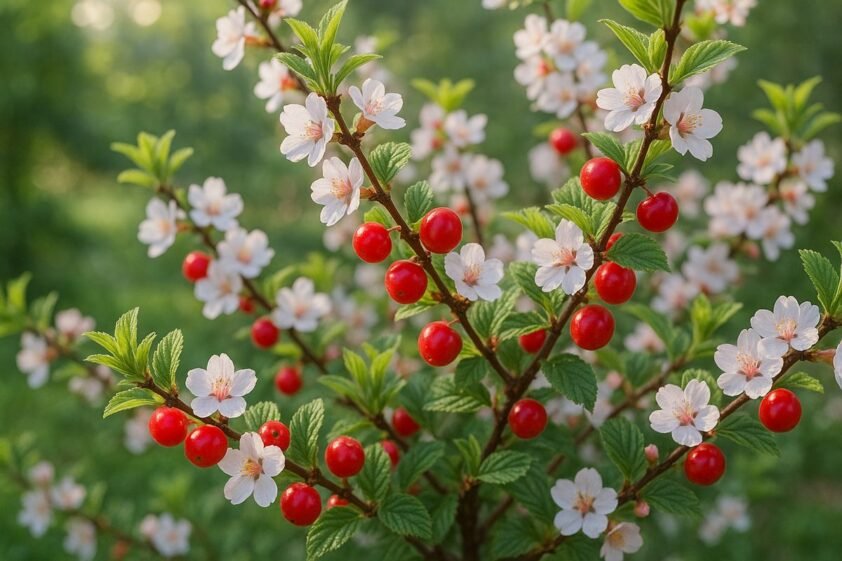
It’s easy to mistake the Nanking cherry (Prunus tomentosa) for a classic cherry tree, but it’s actually a deciduous shrub. It grows to a very manageable height of about 6 to 10 feet, which makes it a fantastic choice for smaller yards where a full-sized tree just isn’t practical.
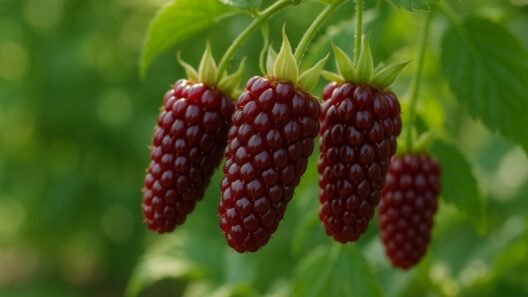
Come spring, the entire bush is enveloped in a cloud of delicate white and pink flowers, a sight that can rival any ornamental cherry. These blossoms soon give way to lush, green leaves, and by early summer, you’ll be greeted by an abundance of bright red cherries. These little gems have a delightful tart-sweet flavor that’s perfect for eating right off the branch or using in the kitchen.
A Story of Survival: Where Nanking Cherries Come From
The incredible toughness of the Nanking cherry isn’t some happy accident; it’s a direct result of where it comes from. Native to the cold, arid plains of Northeast Asia, this plant is literally built to withstand extremes. It has been a staple in gardens across China, Japan, and Russia for centuries, prized for both its delicious fruit and its stunning appearance.
When it was introduced to the United States in the late 1800s, it quickly proved its worth as a dependable fruit producer, even in the challenging climates of the Intermountain West. While you might have to look a little harder to find it in nurseries these days, its reputation as a hardy and adaptable fruit bush is drawing more and more gardeners back to it.
Why Every Cold-Climate Gardener Should Consider a Nanking Cherry
For anyone gardening in a place with real winters, the Nanking cherry is more than just a pretty plant; it’s a practical solution. Its ability to handle temperatures from a bone-chilling -40°F all the way up to 90°F makes it one of the most cold-hardy stone fruits you can possibly grow. It shrugs off drought, wind, and less-than-perfect soil with remarkable ease.
But its resilience is only half the story. The Nanking cherry is also incredibly low-maintenance. You don’t need to worry about fertilizers, and it only requires a bit of light pruning to stay productive. This makes it a perfect gateway fruit for beginners or anyone who wants the reward of homegrown fruit without a ton of work.
Getting It Right: The Best Conditions for a Happy Plant
While the Nanking cherry is very forgiving, giving it a good start will ensure it flourishes for years to come. The most important thing is to choose a spot with full sun—at least six to eight hours of direct sunlight each day. This is what will fuel that vigorous growth and give you the best possible fruit harvest.
When it comes to soil, you don’t need to be too particular. It does best in well-draining, loamy soil with a neutral pH, but it’s also surprisingly tolerant of alkaline soils, which is a huge plus for many gardeners. The key is good drainage; the one thing that can really bother this robust plant is having its roots sit in water.
From Planting to Pollination: Your Quick-Start Guide
Getting your Nanking cherry in the ground is a simple affair. The ideal time to plant is in the fall, as this gives the roots a chance to get established before the stress of summer heat. When you’re ready to plant, just dig a hole that’s about twice as wide as the root ball. This gives the roots plenty of space to stretch out and grow.
Here’s one crucial tip: Nanking cherries are not self-pollinators. You’ll need to plant at least two bushes to get fruit. For the best pollination and a bigger harvest, it’s a good idea to space individual plants about 15 feet apart. If you’re planting a hedge, you can place them much closer together.
The Simple Art of Caring for Your Nanking Cherry
Once your Nanking cherry is established, it’s one of the easiest plants in the garden to care for. For the first year or two, give it a good watering once a week to help it build a strong root system. After that, it’s remarkably drought-tolerant and will probably only need a drink during long, dry spells.
Pruning is the only regular chore you’ll have. In the late winter, before the new growth starts, take a few minutes to remove any branches that are dead, damaged, or crossing over each other. It’s also helpful to thin out a few of the oldest canes each year to encourage fresh, productive growth and keep air flowing through the bush.
The Sweet Reward: Harvesting and Enjoying Your Cherries
This is the best part! The cherries usually ripen in early summer, right around the time the strawberries are finishing up. You’ll know they’re ready when they’re a beautiful, deep red and feel slightly soft to the touch. The flavor is a wonderful mix of sweet and tart, and they’re incredibly juicy.
They are fantastic eaten fresh, but they also make amazing jams, jellies, and sauces. And here’s a pro tip: don’t throw away your pruned branches! They make some of the best wood for smoking meats, adding a subtle, fruity flavor.
Common Questions and Easy Answers
Even though the Nanking cherry is a tough plant, you might run into a couple of minor issues. Pests like spider mites or aphids can show up, but they can usually be taken care of with a strong blast of water from the hose or some insecticidal soap. The biggest thing to watch out for is root rot from overwatering, so remember that good drainage is key.
Some people ask if the small fruit is worth the effort. In my opinion, absolutely! While the cherries are smaller than what you’d find in the supermarket, their unique, intense flavor and the sheer volume of the harvest make them a real treat.
Is the Nanking Cherry the Right Choice for Your Garden?
If you’re a gardener who has struggled with a cold climate, if you have a small space, or if you just want a beautiful, no-fuss plant that delivers delicious fruit, then the Nanking cherry is an outstanding choice. Its blend of toughness, beauty, and productivity is truly hard to beat.
When you plant a Nanking cherry, you’re not just adding another fruit bush to your garden. You’re embracing a legacy of resilience and setting yourself up for many years of sweet, homegrown rewards.