
An Unforgettable Year for Stargazers
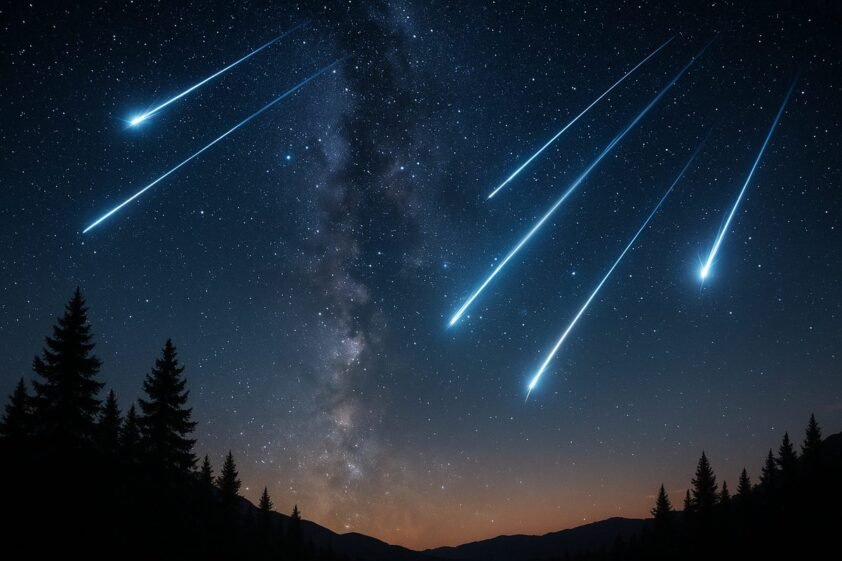
The night sky has always been a source of wonder, a vast canvas where cosmic dramas unfold. Among the most enchanting of these are meteor showers, moments when the heavens put on a dazzling display of shooting stars. These are not just random streaks of light; they are predictable events, and 2025 is shaping up to be an unforgettable year for anyone who loves to look up.
This year offers a perfect alignment of peak activity and ideal viewing conditions for several major showers. From the reliable summer spectacle of the Perseids to the prolific winter performance of the Geminids, the 2025 meteor shower calendar is packed with opportunities to witness something truly special, often without the interfering glow of a bright moon.
The Best Meteor Showers to Watch in 2025
While numerous meteor showers occur throughout the year, a few stand out in 2025 for their intensity and favorable viewing conditions. These are the celestial events you will not want to miss.
The Perseids in August: A Perfect Summer Spectacle
The Perseid meteor shower is perhaps the most famous of them all, beloved for its reliability and the comfortable August nights it graces. In 2025, the Perseids promise a particularly spectacular show, peaking around August 12-13 under the darkness of a new moon.
With no moonlight to wash out the display, observers in dark-sky locations could see between 50 and 100 fast, bright meteors per hour. These shooting stars are known for leaving persistent trails of light, adding to the magic of the experience.
The Geminids in December: The Grand Finale
Often considered the king of meteor showers, the Geminids are set to provide a stunning conclusion to the year. Peaking around December 13-14, this shower is known for its sheer volume, capable of producing over 120 meteors per hour.
The Geminids are often bright and intensely colored, and in 2025, the moon will be only a modest crescent, setting early and leaving the sky dark for the prime viewing hours. It is a fantastic opportunity to witness one of the most active and vibrant displays of the year.
The Leonids in November: A Shower with a Royal History
The Leonid meteor shower, peaking around November 16-17, is famous for its historical meteor storms. While a full-blown storm isn’t expected in 2025, the shower is still known for producing some of the fastest and brightest meteors.
This year, viewing conditions are excellent, with only a slim 9% full moon that won’t interfere with the show. Observers can expect to see around 15 meteors per hour, many of which may be exceptionally bright, a nod to the shower’s regal past.
Your Complete 2025 Meteor Shower Calendar
Beyond the top picks, 2025 offers a full schedule of celestial events. Here is a guide to the year’s major meteor showers to help you plan your stargazing nights.
- Quadrantids: Peaking January 3-4, this shower can be intense but is hampered by a full moon in 2025.
- Lyrids: Look for these around April 22. With a faint moon, it will be a good chance to see its 10-20 meteors per hour.
- Eta Aquariids: Best seen from the Southern Hemisphere, this shower peaks on May 5, but a bright moon will make viewing difficult.
- Delta Aquariids: This steady shower peaks in late July, offering a decent show for those in the southern tropics.
- Ursids: A late-year treat, the Ursids peak around December 22 under a nearly new moon, offering excellent conditions to spot its 5-10 meteors per hour.
How to Watch a Meteor Shower Like a Pro
Witnessing a meteor shower doesn’t require expensive equipment, but a little preparation can make all the difference. Following a few simple tips will greatly enhance your viewing experience.
Location, Location, Location
The single most important factor for a successful meteor shower viewing is a dark sky. Find a spot away from the glare of city lights, as light pollution can obscure all but the brightest meteors. A park, a rural field, or any open area with a wide view of the sky is ideal.
Comfort is Key
You will be spending a fair amount of time looking up, so make sure you are comfortable. A reclining lawn chair or a thick blanket on the ground will save you from a sore neck. Dress in warm layers, as even summer nights can get chilly during the pre-dawn hours when viewing is often best.
Let Your Eyes Adjust
Give your eyes at least 20 to 30 minutes to fully adapt to the darkness. Avoid looking at your phone screen, as the bright light will ruin your night vision. If you need a light, use a red-filtered flashlight to preserve your dark adaptation.
The Science Behind the Shooting Stars
Those beautiful streaks of light we call shooting stars are not actually stars at all. They are the result of small particles of cosmic dust and rock, called meteoroids, entering Earth’s atmosphere at incredibly high speeds.
What is a Meteoroid Stream?
As comets and some asteroids orbit the Sun, they leave behind a trail of dust and debris. When Earth passes through one of these trails, the particles burn up in our atmosphere, creating the spectacle we know as a meteor shower. The specific point in the sky from which the meteors appear to radiate is called the radiant.
Why the Moon is the Biggest Factor
The phase of the moon is critical to meteor shower viewing. A bright, full moon can act like a natural form of light pollution, washing out the fainter meteors and drastically reducing the number you can see. This is why showers that peak during a new moon or a thin crescent moon are so highly anticipated.
Mark Your Calendars for a Celestial 2025
The universe is offering a spectacular lineup of celestial fireworks in 2025. With several major showers occurring under ideal, moonless skies, it is a perfect year to connect with the cosmos.
So, mark your calendar, gather your friends and family, and head out for a night under the stars. A little patience is all you need to be rewarded with one of nature’s most awe-inspiring displays.