


The Loganberry: An Accidental Superfruit
A Fortunate Mistake
In the world of fruits, some of the most beloved treasures have come from careful cultivation over centuries. The loganberry, however, has a more spontaneous origin story. It was born from a happy accident in the late 19th century, making it a truly unique and fascinating fruit.
This hybrid berry combines the best of two worlds, inheriting traits from both the blackberry and the raspberry. Its existence is a testament to the unexpected surprises that nature can offer, even in a backyard garden.
More Than Just a Berry
The loganberry is more than just a simple fruit; it’s a nutritional powerhouse packed with vitamins, minerals, and antioxidants. Its rich, complex flavor and versatility in the kitchen make it a favorite among those who have had the pleasure of trying it.
From its intriguing history to its impressive health benefits, the loganberry has a story worth telling. It’s a fruit that deserves a place in the spotlight, and once you learn more about it, you’ll understand why.
The Story Behind the Loganberry
An Unexpected Hybrid
The loganberry’s story begins in Santa Cruz, California, in the garden of a man named James Harvey Logan. In 1881, Logan, a lawyer and amateur horticulturist, was attempting to cross-pollinate different varieties of blackberries to create a superior cultivar.
He planted a variety of blackberry bushes near an old raspberry patch. Without his direct intervention, nature took its course, and a new, accidental hybrid was born. This new berry was named the loganberry in his honor.
From California to the World
Word of this new fruit quickly spread, and the loganberry soon found its way to other parts of the world. It became particularly popular in the Pacific Northwest of the United States, as well as in the United Kingdom, Australia, and Tasmania.
While it has never achieved the same level of mass commercial production as its parent fruits, the loganberry has remained a cherished specialty fruit, prized for its unique characteristics and flavor.
What Does a Loganberry Look and Taste Like?
A Unique Appearance
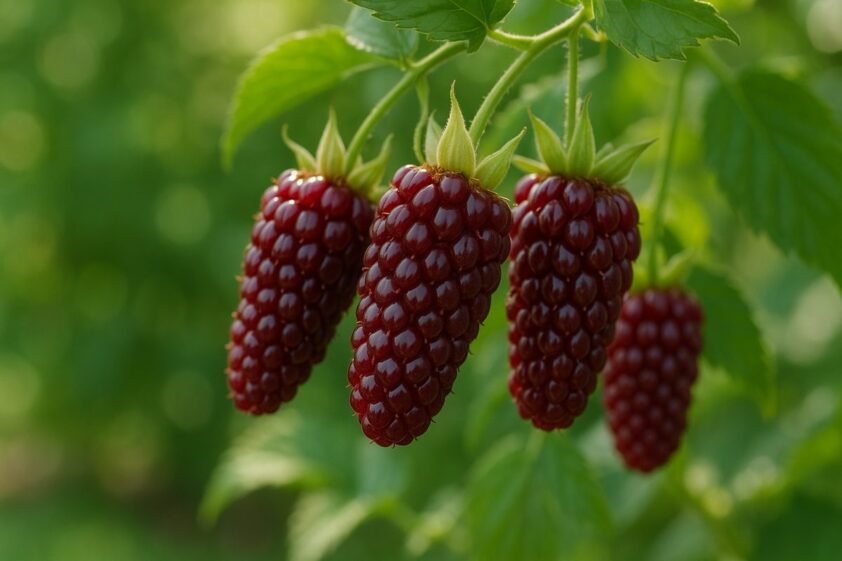
The loganberry has a distinct appearance that sets it apart from other berries. It is typically larger and more elongated than a raspberry, with a conical shape that resembles a blackberry. The color is a deep, rich red that can darken to a purplish-black when fully ripe.
The fruit is an aggregate of small, juicy drupelets, similar to a blackberry, but with a firm core like a raspberry. This unique combination of traits is a direct reflection of its hybrid parentage.
A Flavor of its Own
The flavor of the loganberry is as unique as its appearance. It offers the tartness of a blackberry balanced with the subtle sweetness and aroma of a raspberry. The taste is often described as rich, complex, and slightly wine-like.
This distinctive flavor profile makes the loganberry a versatile ingredient in the kitchen, suitable for a wide range of culinary applications, from sweet desserts to savory sauces.
The Nutritional Power of the Loganberry
Packed with Vitamins
The loganberry is a nutritional standout, offering a significant dose of essential vitamins. It is an excellent source of Vitamin C, which is crucial for a healthy immune system, and Vitamin K, which plays a vital role in bone health and blood clotting.
It also contains a good amount of Vitamin E, a powerful antioxidant, and various B-vitamins, including folate, which is especially important for women’s health and during pregnancy.
A Mineral-Rich Fruit
In addition to its vitamin content, the loganberry is also rich in essential minerals. It is an excellent source of manganese, a mineral that is vital for bone formation, metabolism, and the body’s antioxidant defenses.
The fruit also provides a good amount of iron, which is necessary for carrying oxygen in the blood, as well as potassium, magnesium, and other trace minerals that support overall health.
Surprising Health Benefits of the Loganberry
A Boost for Your Immune System
Thanks to its high concentration of Vitamin C and other antioxidants, the loganberry is a great fruit for supporting a healthy immune system. These compounds help protect the body against damage from free radicals and reduce inflammation.
Regular consumption of antioxidant-rich fruits like the loganberry can help strengthen the body’s natural defenses and promote overall well-being.
Supporting Heart and Digestive Health
The loganberry is also beneficial for heart and digestive health. Its high fiber content helps promote regular bowel movements, prevent constipation, and support a healthy gut microbiome.
The antioxidants in loganberries, particularly anthocyanins, have been linked to improved cardiovascular health. These compounds may help reduce blood pressure, improve circulation, and protect against heart disease.
How to Use Loganberries in Your Kitchen
Sweet and Savory Ideas
The loganberry’s unique flavor makes it a versatile ingredient in the kitchen. It can be used in a wide variety of sweet and savory dishes, adding a burst of flavor and a touch of elegance.
In sweet applications, loganberries are perfect for pies, tarts, crumbles, and cheesecakes. They can also be used to make delicious ice creams, sorbets, and fruit salads. In savory dishes, they pair well with gamey meats like duck or venison, and can be used to create flavorful sauces and glazes.
From Jams to Juices
One of the most popular ways to enjoy loganberries is in jams, jellies, and preserves. Their natural tartness and high pectin content make them ideal for creating delicious and well-set preserves.
Loganberries can also be juiced to create a refreshing and nutritious beverage. The juice can be enjoyed on its own or used as a base for smoothies, cocktails, and other drinks. The famous Crystal Beach Loganberry drink, once popular in the Great Lakes region, is a testament to the fruit’s beverage potential.
Finding and Growing Loganberries
A Rare Find
Despite their delicious flavor and impressive nutritional profile, loganberries can be difficult to find in mainstream grocery stores. Their delicate nature and short shelf life make them challenging to transport and sell on a large scale.
You are most likely to find fresh loganberries at farmers’ markets, specialty produce stores, or pick-your-own farms, particularly in regions where they are grown, such as the Pacific Northwest.
Tips for the Home Gardener
For those with a green thumb, growing your own loganberries can be a rewarding experience. The plants are relatively easy to cultivate and can be quite productive in the right conditions.
Loganberry plants prefer a sunny location with well-drained soil. They are trailing vines, so they will need some form of support, such as a trellis or fence, to grow on. With a little care and attention, you can enjoy a bountiful harvest of these unique and delicious berries right from your own garden.
The Loganberry: A Fruit Worth Discovering
From its accidental beginnings to its impressive array of health benefits, the loganberry is a truly remarkable fruit. Its unique flavor, rich nutritional content, and versatility in the kitchen make it a worthy addition to any diet.
While it may not be as well-known as its raspberry and blackberry relatives, the loganberry offers a unique and rewarding culinary experience. If you ever have the opportunity to try this accidental superfruit, don’t hesitate. You might just discover your new favorite berry.