
The Genesis of a Rock Anthem
For most people, the phrase “I Love Rock and Roll” is an instant flash of Joan Jett’s rebellious sneer. Yet, the song’s true beginning is a story that starts a few years earlier, across the Atlantic, in 1975. The British band The Arrows were the ones who first put pen to paper for this future anthem.
It was a direct, defiant response to the Rolling Stones’ “It’s Only Rock ‘n Roll (But I Like It).” Alan Merrill, The Arrows’ lead singer, felt the Stones’ track sounded like an apology to the high-society crowd Mick Jagger was running with. It was as if they were saying their rock roots were just a casual fling. Merrill and guitarist Jake Hooker wanted to write a song that declared an absolute, unashamed, and loud love for the genre.
The Arrows’ original, released as a B-side, had a raw, undeniable glam-rock edge. The lyrics were told from a male perspective: a cocky guy spots a girl by the jukebox and confidently predicts she will leave with him. The shared love for the music was the only reason he needed. Despite its catchy riff, the song never took off. Some blame bad luck, specifically a paper strike that crippled promotion at the time.
Joan Jett’s Discovery and Transformation
The song’s fate took a dramatic turn in 1976. A young American musician named Joan Jett was touring England with her band, The Runaways. She happened to catch The Arrows performing “I Love Rock ‘n’ Roll” on a television show. Jett was instantly captivated by its raw energy and its simple, powerful message.
Jett knew immediately she had to cover it. Her bandmates in The Runaways, however, were not interested. But Jett’s conviction was unwavering. She saw the song’s potential to be more than a hit; she saw it as a powerful, universal rock statement that needed to be heard.
In 1979, Jett made a first, unsuccessful attempt at recording the song with members of the Sex Pistols. It was relegated to a B-side. It wasn’t until 1981, after she formed The Blackhearts, that she re-recorded it. This time, the stars aligned, and everything clicked into place.
A Lyrical 180: Female Empowerment
The most significant, and arguably most revolutionary, change in Jett’s version was the lyrical shift. The Arrows’ original was a male narrative of pursuit. Jett simply flipped the gender roles, making the song her own. She sang the now-iconic lines: “I saw him dancing there by the record machine / I knew he must have been about seventeen / The beat was going strong / Playing my favorite song / And I could tell it wouldn’t be long till he was with me, yeah me.”
This change was monumental. It instantly transformed the song from a standard male rock fantasy into a powerful anthem of female empowerment and sexual confidence. Jett, tough, confident, and completely in control, was the one doing the pursuing. She was challenging the traditional gender roles that were so prevalent in rock music of the era.
The song’s arrangement was also drastically beefed up. The Blackhearts’ version was heavier, crisper, and far more aggressive. It took the glam-rock original and forged it into a pure, guttural hard rock masterpiece. This superior production, combined with Jett’s signature sneering, defiant vocal delivery, was the rocket fuel that propelled the song to the top of the charts.
Chart Domination and Lasting Legacy
When it was released in late 1981, Joan Jett & The Blackhearts’ “I Love Rock ‘n’ Roll” became an immediate global phenomenon. It dominated the airwaves and spent a remarkable seven weeks at No. 1 on the Billboard Hot 100 chart in the United States. This success cemented Jett’s status as a bona fide rock icon.
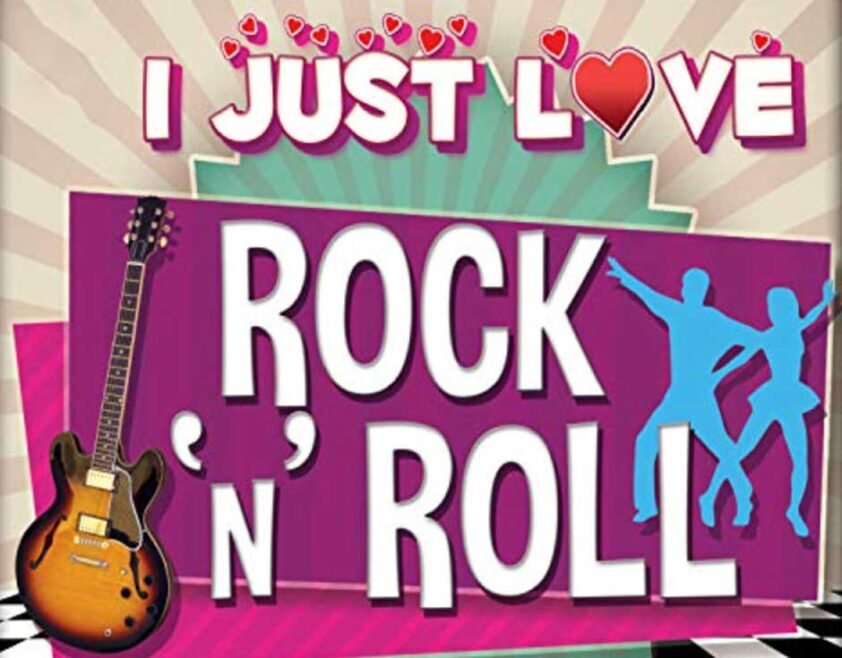
The song’s success was far more than just commercial; it was a cultural shift. It became the rallying cry for an entire generation, a simple, three-chord declaration of love for the raw, untamed spirit of rock music. It proved, definitively, that a cover could not only surpass the original but completely redefine it for a new era.
Even decades later, the song remains an absolute staple in rock history. It is frequently cited as one of the greatest guitar rock songs of all time. It stands as a powerful testament to the enduring power of a simple, honest message delivered with unyielding attitude.
The Enduring Echo in Pop Culture
The song’s infectious energy and iconic status have ensured its continuous, vibrant presence in pop culture. It has been covered by a multitude of artists, ranging from the serious rockers to the controversial pop stars, including a notable, albeit divisive, version by Britney Spears in 2002.
It has also been the subject of various parodies, such as “Weird Al” Yankovic’s hilarious “I Love Rocky Road.” This further proves its deep, lasting penetration into the cultural consciousness. The song’s simple, memorable structure makes it endlessly adaptable and ripe for reinvention.
Ultimately, “I Love Rock ‘n’ Roll” is far more than just a hit song. It is a cultural artifact that perfectly captures a pivotal moment in rock history. It’s the story of an overlooked B-side finding its true, powerful voice through a determined artist. It remains a timeless declaration that continues to resonate with anyone who believes in the power of a loud guitar and a strong beat. It is, above all, a song about attitude, rebellion, and the pure, unadulterated joy of rock and roll.