


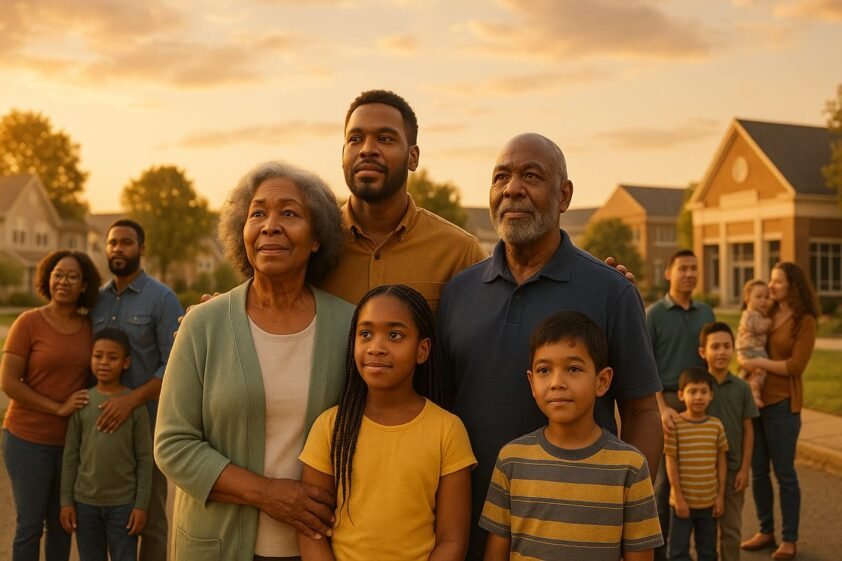
Introduction: A New Approach to Economic Stability in Howard County
In an effort to combat poverty and promote economic mobility, a growing number of jurisdictions are exploring the potential of Guaranteed Basic Income. This innovative approach provides regular, unconditional cash payments to individuals and families, empowering them to meet their basic needs and plan for a more secure future.
Joining this national movement, Howard County has launched its first-ever GBI pilot program. This transformative initiative, developed in close partnership with the community, aims to provide a critical lifeline for families working to achieve financial stability.
This article offers a comprehensive guide to the Howard County Guaranteed Basic Income Program, exploring its structure, goals, and potential impact on the community.
Program Overview: How the Howard County GBI Pilot Works
Core Components
The Howard County GBI pilot program is designed to provide direct and flexible support to families in need. At its core, the program provides $1,000 per month to 20 participating families for a period of 12 months, with a potential extension to 18 months.
This no-strings-attached financial assistance allows families to prioritize their own household needs, whether it’s paying for rent, childcare, or saving for the future. The unrestricted nature of the support gives families the dignity and autonomy to make decisions that best serve their unique circumstances.
Strategic Partnership and Funding
This initiative is a collaborative effort between the Howard County government, led by County Executive Calvin Ball, and the Community Action Council of Howard County. The program is funded through a $750,000 nonprofit grant to the CAC, with the initial 12-month phase costing approximately $250,000.
This partnership leverages the government’s resources and the CAC’s deep community ties to deliver a program that is both impactful and responsive to local needs. The collaboration ensures that families receive not just financial support, but also access to a network of community services.
Eligibility and Selection: A Targeted and Equitable Process
Who Was Eligible?
The program was designed to support families who are working hard but still struggling to make ends meet. To be eligible, families had to be Howard County residents with at least one child under 18.
They also needed to be current clients of the CAC’s programming and have a household income between 150% and 300% of the Federal Poverty Limits. Crucially, the program excluded families who would lose other essential benefits, such as housing vouchers, by participating.
The Selection Journey
The selection process was a meticulous and multi-step journey designed to identify and enroll the families who could benefit most. The process began with a pool of 292 potential participants, which was then narrowed down to 90 families who were invited to move forward.
After a thorough review of documentation, the final 20 families were selected through a lottery system, ensuring a fair and equitable process. The selected families reside in Columbia, Laurel, Elkridge, and Savage, with household sizes ranging from two to five people.
Empowering Families: Expected Outcomes and Benefits
The Vision for Participants
The ultimate goal of the GBI pilot is to empower families to build a more stable and prosperous future. The program’s expected outcomes include helping families remain securely housed, increase their household income, and build emergency savings.
It also aims to improve their financial management skills and connect them with opportunities for higher education and employment. These outcomes reflect a comprehensive vision of economic stability that goes beyond immediate financial relief.
Beyond Financial Support
Recognizing that financial stability is about more than just money, the program also includes wrap-around services and programming sessions with community partners. This holistic approach provides families with the resources and support they need to address a wide range of challenges and achieve their long-term goals.
The combination of direct cash assistance and supportive services creates a powerful framework for lasting change. Families can use the financial breathing room to pursue education, job training, or other opportunities that might otherwise be out of reach.
The National Context: GBI as a Growing Movement
A Decade of Progress
The Howard County GBI pilot is part of a larger national movement that has been gaining momentum for nearly a decade. Cities and counties across the country are experimenting with GBI as a way to address poverty and inequality, and the results have been promising.
These programs have challenged traditional assumptions about poverty and welfare, demonstrating that direct cash assistance can be an effective tool for promoting economic mobility. The growing body of evidence has encouraged more jurisdictions to explore this approach.
Learning from Neighbors
In developing its program, Howard County looked to the experiences of its neighbors, including the successful GBI pilot program launched in Baltimore City in 2022. The Baltimore program, which provided 200 young parents with $1,000 a month for 24 months, demonstrated that GBI can lead to increased housing stability, educational attainment, and employment opportunities.
These neighboring jurisdictions have provided valuable lessons and insights that have helped shape the Howard County program. By building on this foundation of knowledge, the county aims to create a program that is both effective and tailored to local needs.
Voices from the Community: Official Perspectives
County Executive Calvin Ball
County Executive Calvin Ball has been a vocal champion of the GBI program, highlighting its potential to transform lives. He emphasized that these impactful programs have demonstrated long-term positive impacts not only on families’ economic stability but also on their emotional availability as parents.
Ball stated that the Howard County GBI pilot program aims to diminish and uplift families out of poverty, better their lives, and enable them to be more self-sufficient. His vision for the program reflects a commitment to using data and evidence to inform future strategies for promoting economic mobility.
Community Action Council Leadership
Leaders at the Community Action Council have also emphasized the program’s focus on dignity and empowerment. CAC President Tracy Broccolino noted that the pilot recognizes something the organization sees every day: families are working hard but still struggling to make ends meet.
She explained that by providing unrestricted support, the program is not just easing financial burdens, but giving families the breathing room to plan, to grow, and to pursue stability on their own terms. Tonya Aikens, Vice Chair of the CAC Board, added that the pilot is a powerful example of what’s possible when community organizations, local government, and families come together to address real challenges with practical, people-first solutions.
The Evidence Behind Basic Income
Research on GBI programs has consistently shown a range of positive benefits for participants. Studies have found that these programs can reduce financial volatility, increase families’ capacity to pay for core expenses like food and rent, and empower them to plan for the future.
These findings provide a strong evidence base for the Howard County pilot and its potential to make a real difference in the lives of participating families. The research suggests that when families have a stable financial foundation, they are better able to invest in education, health, and other areas that contribute to long-term well-being.
The data-driven approach of the Howard County program ensures that outcomes will be carefully measured and evaluated. This commitment to evidence-based policy will help determine the program’s effectiveness and inform decisions about its future.
Future Outlook: What’s Next for the GBI Program?
The Howard County GBI pilot is a learning opportunity, and its outcomes will be carefully evaluated through data collection and surveys with participating families. The results of this evaluation will inform future decisions about the program’s potential extension or expansion.
By taking a data-driven approach, the county aims to build a program that is both effective and sustainable in the long term. The pilot is currently full and not accepting applications, but the success of this first phase could pave the way for additional rounds in the future.
Community members and stakeholders are watching closely to see how the program unfolds. The lessons learned from this pilot will contribute to the broader conversation about how best to support families and promote economic opportunity in Howard County and beyond.
Conclusion: A Step Towards a More Secure Future
The Howard County Guaranteed Basic Income pilot program represents a bold and compassionate step towards a more equitable and prosperous community. By providing families with the resources and flexibility they need to build a better future, the program has the potential to create a ripple effect of positive change that will be felt for years to come.
It is a testament to the power of community partnership and a hopeful sign of what can be achieved when we invest in the well-being of all our residents. As the program moves forward, it offers a model for how innovative approaches to poverty reduction can make a meaningful difference in people’s lives.
The Howard County Guaranteed Basic Income Program stands as an example of forward-thinking policy that prioritizes human dignity, family stability, and economic mobility. Its success will depend not just on the financial support provided, but on the collaborative spirit that brought it to life and the commitment to learning and improvement that will guide its future.