


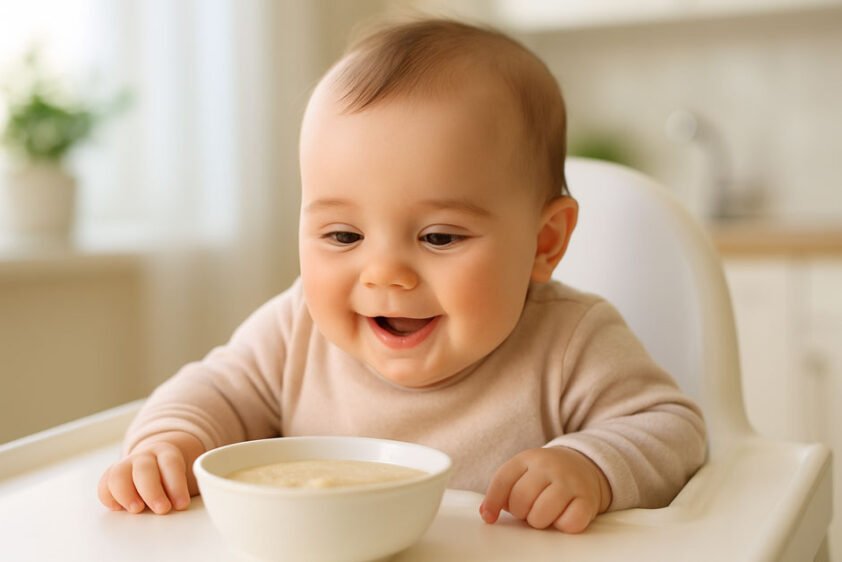
The journey of introducing solid foods to a baby is a significant milestone for both the child and the parents. Among the first foods often recommended by pediatricians is baby cereal, a simple yet effective way to transition infants from an all-liquid diet. Understanding when, why, and how to introduce this food can make the process smoother and more enjoyable.
When is Your Baby Ready for Cereal?
The timing for starting solids is not a fixed date but rather a developmental window. Most health organizations suggest that babies are ready to begin around six months of age, though some may show signs of readiness as early as four months. It is crucial to look for specific physical cues rather than relying solely on age.
Developmental Readiness Signs
A baby must have the necessary motor skills to safely consume solids. One of the most important signs is the loss of the tongue-thrust reflex, which naturally pushes food out of the mouth. When this reflex diminishes, the baby can move food to the back of their throat to swallow.
Furthermore, the baby should be able to sit up with minimal support and have good head and neck control. They will also start showing a keen interest in food, perhaps leaning forward and opening their mouth when food is offered, or intently watching others eat during meal times. These signs collectively indicate that their digestive and motor systems are prepared for the change.
Why Baby Cereal is a Popular First Food
For decades, iron-fortified baby cereal has been a staple first food, and for good reason. It serves a critical nutritional purpose at a time when a baby’s needs are rapidly changing.
The Importance of Iron
Around the six-month mark, the iron stores a baby received in utero begin to deplete. Breast milk and formula alone may no longer provide sufficient iron to meet the baby’s growing demands. Iron is vital for cognitive development and preventing iron-deficiency anemia.
Iron-fortified cereals, particularly rice, oatmeal, or barley, offer a readily available and easily digestible source of this essential mineral. They are also generally considered low-allergy risk, making them an ideal starting point for monitoring a baby’s reaction to new foods.
Choosing the Right First Cereal
The market is filled with various types of baby cereal, which can be overwhelming for new parents. The primary choice often comes down to the type of grain and whether it is a single-grain product.
Single-Grain vs. Multigrain
It is widely recommended to start with a single-grain cereal, such as oatmeal or barley. This approach simplifies the process of identifying a potential food sensitivity or allergy. If the baby reacts poorly, the parent knows exactly which ingredient is the culprit.
While rice cereal was traditionally the first choice, concerns about arsenic levels have led many parents and pediatricians to favor oatmeal or barley as the initial grain. Always look for cereals labeled “iron-fortified” to ensure the baby is receiving the necessary nutritional boost.
How to Prepare and Serve Baby Cereal
Proper preparation is key to ensuring the cereal is palatable and safe for the baby. The consistency should be very thin at first, gradually thickening as the baby becomes more accustomed to the texture.
The Perfect Consistency
For the very first feeding, mix one tablespoon of dry cereal with four to five tablespoons of breast milk or formula. This familiar liquid base makes the new taste and texture more acceptable to the baby. The resulting mixture should be a thin, soupy consistency that is easy to swallow.
As the baby adjusts over a few weeks, parents can slowly reduce the amount of liquid to create a thicker, more spoonable texture. It is important to remember that cereal should always be offered by spoon, never mixed into a bottle, as this can pose a choking risk and encourage overfeeding.
Tips for a Successful First Feeding
The first few attempts at feeding solids are more about exploration and learning than about nutrition. Keeping the experience positive and low-pressure is the best approach.
Making the Experience Positive
Choose a time when the baby is alert, happy, and only moderately hungry—not so famished that they are fussy, but not so full that they refuse the food. Mid-morning or early afternoon often works well.
Use a small, soft-tipped spoon designed for infants. Offer a tiny amount, perhaps just a half-teaspoon, and place it on the tip of the baby’s tongue. Do not be discouraged if most of it ends up on their chin or bib; this is a normal part of the learning process.
Moving Beyond Cereal
Once the baby has successfully navigated the introduction of baby cereal, the world of solid foods opens up. This is the time to introduce a variety of tastes and textures to broaden their palate.
Introducing New Textures and Foods
After a few days of plain cereal, parents can begin to mix in pureed vegetables or fruits. Many experts suggest introducing one new food every three to five days. This “wait and watch” period helps parents monitor for any adverse reactions, such as rashes or digestive upset.
The goal is to gradually transition the baby from single-grain cereals to multigrain options, and then to a wide array of pureed and mashed foods. Eventually, the baby will move on to soft finger foods, building the skills necessary for independent eating.
Common Concerns and Troubleshooting
Even with the best preparation, parents may encounter a few bumps in the road when introducing solids. Two common issues are constipation and outright refusal of the food.
Addressing Constipation and Refusal
A change in diet can sometimes lead to constipation. If this occurs, offering a small amount of water between feedings or introducing pureed prunes or pears can often help soften the stools. Always consult a pediatrician if the issue persists.
If the baby refuses the cereal, do not force it. Simply try again the next day. Sometimes, a baby needs several exposures to a new food before they accept it. Persistence, patience, and a playful attitude are the best tools for overcoming feeding challenges.
Final Thoughts on Your Baby’s Food Journey
Introducing baby cereal is a significant and exciting step in a baby’s development. By paying close attention to the baby’s readiness cues, choosing iron-fortified options, and maintaining a patient, positive approach, parents can ensure a healthy and happy start to their child’s lifelong relationship with food. This stage is a foundation for future eating habits, making it a moment to be savored and enjoyed.