


Your Guide to Planting, Growing, and Caring for African Daisies
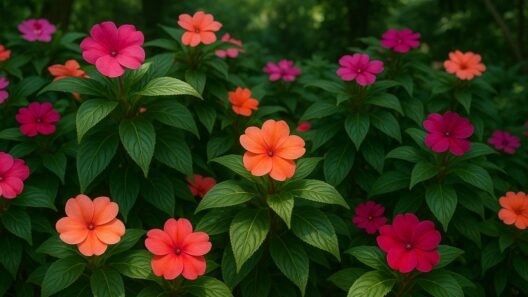
African daisies, known scientifically as Osteospermum, are vibrant flowers that bring a burst of color to any garden space. Native to South Africa, these cheerful blooms look much like common daisies but stand out with their intensely rich and varied color palette.
From soft pastels to deep, dramatic hues, African daisies offer a spectacular display. They are a favorite among gardeners for their long blooming season and relatively low-maintenance needs, making them a perfect choice for both beginners and seasoned enthusiasts.
Popular African Daisy Varieties to Brighten Your Space
The world of African daisies is filled with exciting variety. Some cultivars feature petals with unique, spoon-like shapes, while others boast striking, multi-toned colors that are sure to draw attention.
A few popular types include the ‘Passion Mix,’ which offers a compact size and a range of colors with distinct blue centers. For something truly unique, the ‘FlowerPower Spider White’ has fascinating, spoon-shaped petals in white and lavender.
How to Plant African Daisies for Success
Proper planting is the first step to a thriving display of African daisies. These flowers are versatile and can flourish in garden beds, borders, or containers when given the right start.
When to Plant
The best time to plant African daisies is in the spring, after all danger of frost has passed. They are tender perennials, often grown as annuals in colder climates, and establishing them in mild weather gives them a strong start.
Where to Plant
Choose a location that receives full sun, as African daisies bloom most profusely with at least six to eight hours of direct sunlight each day. They can tolerate some light shade, but this may result in fewer flowers.
Soil Preparation
These plants prefer well-draining soil that is rich in organic matter. A slightly acidic soil pH is ideal. Amending the soil with compost at planting time will provide essential nutrients and improve drainage, preventing issues like root rot.
Essential Care for Thriving African Daisies
Once established, African daisies are refreshingly easy to care for. They are quite resilient and will reward you with continuous blooms when their basic needs are met.
Sunlight Requirements
Sunlight is the key to unlocking the full blooming potential of African daisies. The flowers open in response to light, so a sunny spot is non-negotiable for a vibrant show of color.
Watering Needs
While they are drought-tolerant once established, African daisies perform best with consistent moisture. Aim to provide about one inch of water per week, allowing the soil to dry out slightly between waterings.
Fertilizing for Best Blooms
To support their long blooming season, feed your African daisies with a balanced, water-soluble fertilizer once a month. This is especially important for plants in containers, which can deplete nutrients more quickly.
Pruning and Maintenance for Continuous Blooms
A little bit of maintenance goes a long way in keeping your African daisies looking their best. Simple pruning and deadheading will encourage a fuller plant and a steady supply of flowers.
The Importance of Deadheading
Removing spent flowers, a process known as deadheading, signals the plant to produce more blooms. This simple task prevents the plant from putting energy into seed production and instead directs it toward creating new flowers.
Encouraging Bushy Growth
Pinching the tips of young plants can encourage them to grow into a fuller, bushier shape. This creates a more robust plant with more stems, which ultimately leads to a more impressive floral display.
Propagating African Daisies
Many African daisy varieties are hybrids, so they won’t grow true from saved seeds. The most reliable way to create new plants is by taking cuttings from a healthy, established plant.
Simply take a cutting a few inches long, remove the lower leaves, and place it in a pot with moist soil. In a few weeks, it will develop roots and grow into a new plant, allowing you to expand your collection or share with friends.
Common Challenges and Simple Solutions
African daisies are generally robust, but they can sometimes face challenges. In very hot and humid weather, they may temporarily stop blooming to conserve energy. This is normal, and they will typically resume flowering once the weather cools.
Keep an eye out for common garden pests like aphids. If they appear, they can often be managed with a simple spray of insecticidal soap. Ensuring good air circulation around the plants will also help prevent fungal issues.
Conclusion: Enjoying the Beauty of Your African Daisies
With their dazzling colors and easy-going nature, African daisies are a delightful addition to any garden. They offer a long season of beauty for minimal effort, attracting pollinators like bees and butterflies while resisting deer and rabbits.
By following these simple guidelines for planting and care, you can enjoy a stunning and continuous display of these beautiful flowers from spring until the first frost.