

Introduction: The Enduring Charm of Cotoneaster
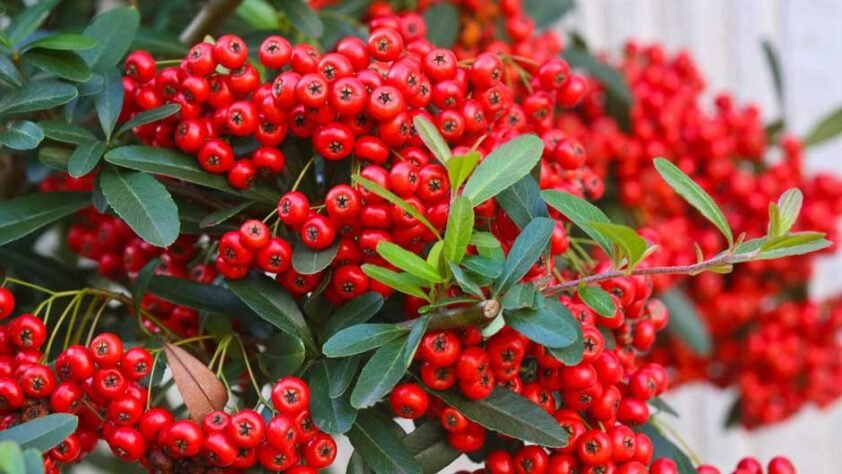
The genus Cotoneaster encompasses a diverse group of shrubs and small trees that have long been cherished by gardeners for their hardiness and year-round visual appeal. These plants, which belong to the rose family (Rosaceae), offer a remarkable combination of attractive foliage, delicate spring flowers, and, most notably, a spectacular display of berries in the autumn and winter months.
Whether evergreen or deciduous, Cotoneasters provide essential structure and seasonal interest to any landscape. Their adaptability and low-maintenance nature make them a favorite choice for both novice and experienced gardeners looking for reliable, versatile plants.
Understanding Cotoneaster Varieties
The sheer variety within the Cotoneaster genus allows for its use in almost any garden setting, from sprawling groundcovers to formal hedges. Selecting the right species depends entirely on the desired function and available space.
Groundcover Types
For areas where low-growing, spreading coverage is needed, the groundcover varieties are indispensable. Cotoneaster horizontalis, often called the Rock Spray Cotoneaster, is perhaps the most famous.
Its distinctive herringbone branching pattern and brilliant red autumn color make it a superb choice for cascading over retaining walls, covering slopes, or softening the edges of rock gardens. These types are excellent for erosion control and require minimal fuss once established.
Shrub and Hedge Types
Many Cotoneasters grow into substantial, upright shrubs, perfectly suited for creating dense screens or formal boundaries. Cotoneaster lucidus, the Hedge Cotoneaster, is a prime example.
It is a deciduous shrub known for its glossy, dark green leaves that turn a striking reddish-purple in the fall. Its dense growth habit makes it ideal for creating privacy hedges that are both beautiful and functional.
Tree-Form and Wall Shrubs
While most are shrubs, some varieties can be trained or naturally grow into small, architectural trees. These larger specimens, often with a more upright habit, can serve as striking focal points in a garden border.
Additionally, certain species, like the aforementioned Rock Spray, are frequently grown against walls or fences, where their branches can be fan-trained to create a unique, two-dimensional display. This technique maximizes their visual impact in smaller spaces.
Essential Care and Cultivation Tips
One of the greatest appeals of the Cotoneaster is its resilience. These are not demanding plants, but providing the right initial conditions will ensure a healthy, vigorous specimen for years to come.
Planting Location and Soil
Cotoneasters are remarkably unfussy about soil, tolerating a wide range of conditions, provided the drainage is good. They absolutely detest sitting in waterlogged soil, which can quickly lead to root rot.
For the best berry production and most vibrant autumn color, plant your Cotoneaster in a location that receives full sun. However, they are quite tolerant of partial shade, though growth may be slightly less dense in these spots.
Watering and Fertilizing
Once established, most Cotoneaster species exhibit excellent drought tolerance, making them a water-wise choice for many climates. Young plants, however, will need regular watering during their first year to develop a strong root system.
Fertilization is rarely necessary. If your soil is particularly poor, a light application of a balanced, slow-release fertilizer in early spring is sufficient. Over-fertilizing can lead to excessive foliage growth at the expense of berry production.
Pruning for Health and Shape
Pruning is essential for maintaining the health, shape, and overall appearance of your Cotoneaster. The approach varies depending on whether the plant is a specimen shrub or part of a hedge.
Timing and Technique
The best time for general shaping and thinning is in the early spring, just before new growth begins. This allows you to remove any dead, damaged, or crossing branches.
For varieties grown specifically for their berries, be mindful that heavy pruning in spring will remove the wood that will bear fruit in the autumn. For hedges, a more formal, hard prune can be carried out after the spring flowering period.
Rejuvenation Pruning
If an older Cotoneaster has become leggy, overgrown, or simply lacks vigor, it can often be successfully rejuvenated. This involves cutting back the oldest, thickest stems to the ground over a period of two to three years.
This gradual approach stimulates new, healthy growth from the base without severely shocking the plant. Never remove more than one-third of the total plant mass in a single season.
Common Pests, Diseases, and Troubleshooting
While generally robust, Cotoneasters can occasionally suffer from a few common garden issues. The most serious concern for many gardeners is fire blight, a bacterial disease that causes branches to look scorched.
Prevention through proper air circulation and avoiding overhead watering is key. Pests like aphids, scale, and spider mites can also appear, but these are usually manageable with horticultural soap or targeted organic treatments. A healthy, well-sited plant is always the best defense against problems.
Conclusion: A Year-Round Asset
The Cotoneaster is a true workhorse of the garden, offering something beautiful in every season. From the delicate white or pink flowers of spring to the lush green foliage of summer, and finally, the spectacular display of red, orange, or yellow berries that persist through winter, its value is undeniable.
Incorporating this versatile shrub into your landscape provides not only aesthetic beauty but also a vital food source for birds during the colder months. For a reliable, attractive, and low-maintenance addition to your garden, the Cotoneaster is an excellent choice.