


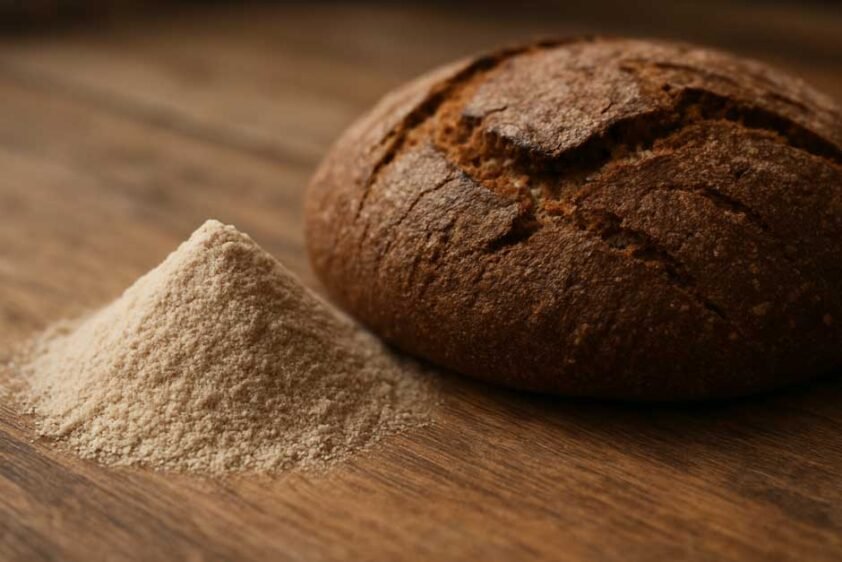
I. What is Teff Flour? A Tiny Grain with a Big History
Have you ever considered that the world’s smallest grain might hold some of the biggest nutritional secrets? This is the story of teff flour, a staple food with roots stretching back thousands of years to the highlands of Ethiopia and Eritrea.
Teff, scientifically known as Eragrostis tef, is an ancient grain that has sustained communities in the Horn of Africa for millennia. It is so tiny—about the size of a poppy seed—that a single handful can contain thousands of grains.
Because of its minuscule size, teff is traditionally milled into a whole-grain flour. This means that unlike many refined flours, it retains all three parts of the grain—the bran, the germ, and the endosperm—packing a powerful nutritional punch.
This flour is the primary ingredient in injera, the spongy, fermented flatbread that is central to Ethiopian and Eritrean cuisine. Its recent rise to global prominence is due to its impressive health profile and its natural suitability for modern dietary needs.
II. The Nutritional Profile: Why Teff Flour Stands Out
When compared to common grains like wheat or rice, the nutritional composition of teff flour is truly remarkable. It is a powerhouse of essential nutrients, offering a balance of protein, fiber, and vital minerals.
A serving of teff flour provides a significant amount of dietary fiber, which is crucial for digestive health. It also contains a notable amount of protein, making it a valuable addition to plant-based diets.
A. A Gluten-Free Champion
One of the most significant attributes of teff flour is that it is naturally gluten-free. This makes it an excellent and safe alternative for individuals with celiac disease or non-celiac gluten sensitivity.
The structure of the teff grain simply does not contain the gluten proteins found in wheat, barley, and rye. This allows bakers and cooks to create a wide variety of gluten-free dishes without sacrificing nutritional value.
B. Iron and Calcium Content: A Mineral Powerhouse
Teff is particularly celebrated for its high mineral content. It is often cited as an excellent source of iron, a mineral vital for oxygen transport in the blood and preventing anemia.
Furthermore, teff is unique among grains for its high calcium content, which is essential for bone health and nerve function. It also provides magnesium and zinc, contributing to overall metabolic health.
III. Health Benefits: Fueling Your Body with Teff
Incorporating teff flour into one’s diet can contribute to several positive health outcomes, moving beyond simple nutrition to provide functional benefits for the body.
A. Supporting Digestive Health
The high concentration of dietary fiber in whole-grain teff flour acts as a prebiotic, feeding the beneficial bacteria in the gut. This supports a healthy gut microbiome, which is increasingly linked to overall well-being.
Regular consumption of fiber-rich foods like teff flour promotes regularity and can help prevent common digestive issues. It is a gentle yet effective way to maintain a well-functioning digestive system.
B. Stable Energy and Blood Sugar Control
Teff flour has a relatively low glycemic index compared to many refined grain products. This means that the carbohydrates are digested and absorbed slowly, leading to a gradual rise in blood sugar.
This slow-release energy is beneficial for sustained performance, making it a favorite among athletes. It also makes teff a smart choice for those managing blood sugar levels, as it helps to avoid sharp spikes and crashes.
IV. Cooking and Baking with Teff Flour
The versatility of teff flour extends far beyond its traditional use in injera. Its unique flavor and texture profile allow it to be successfully integrated into a wide range of modern recipes.
A. The Distinct Flavor and Texture
Teff flour has a pleasant, slightly sweet, and earthy flavor, often described as having notes of hazelnut or molasses. This distinct taste adds depth and complexity to baked goods that is often missing in bland, refined flours.
Due to its whole-grain nature, it also imparts a denser, slightly chewier texture to foods. This characteristic is prized in hearty breads, muffins, and pancakes, providing a satisfying mouthfeel.
B. Versatile Uses in the Kitchen
Beyond traditional flatbreads, teff flour can be used to make delicious gluten-free pancakes, waffles, and cookies. It can also be blended with other gluten-free flours to create all-purpose baking mixes.
Its fine texture makes it an excellent thickening agent for soups, stews, and gravies. For a simple nutritional boost, it can even be stirred into hot cereals or smoothies.
V. Frequently Asked Questions (FAQ) About Teff Flour
Is teff flour a complete protein?
Teff is considered a complete protein, meaning it contains all nine essential amino acids that the human body cannot produce on its own. This is a rare and valuable trait among plant-based foods.
Does teff flour need to be refrigerated?
While not strictly necessary, storing teff flour in an airtight container in a cool, dark place is recommended. For maximum freshness and to extend its shelf life, refrigeration or freezing is ideal, especially in warmer climates.
What is the difference between brown and ivory teff flour?
The difference lies in the color of the grain. Brown teff has a more pronounced, earthy, and molasses-like flavor, while ivory teff has a milder, slightly sweeter taste. Both varieties offer similar nutritional benefits.
Can I substitute teff flour for all-purpose flour?
Due to its strong flavor and dense texture, teff flour is generally not a 1:1 substitute for all-purpose wheat flour. It is best used in recipes specifically designed for it, or by substituting up to 25% of the total flour in a recipe to add nutrition and flavor.