
Introduction: The Enigmatic Black Nightshade
Is it a deadly poison or a valuable medicinal herb? Few plants carry a reputation as controversial as the black nightshade, scientifically known as Solanum nigrum.
This unassuming plant, found across the globe, has been the subject of both fear and fascination for centuries due to its complex chemistry and dual nature.
Its presence in gardens and fields often sparks immediate concern, primarily because of its association with the notoriously toxic nightshade family.
However, a deeper look reveals a plant with a rich history of traditional use, challenging the simple narrative of it being purely a dangerous weed.
A Closer Look: Identifying Solanum nigrum
Appearance and Habitat
Solanum nigrum is typically an annual or short-lived perennial herb, growing up to 30 to 120 centimeters tall, often with a sprawling, bushy habit.
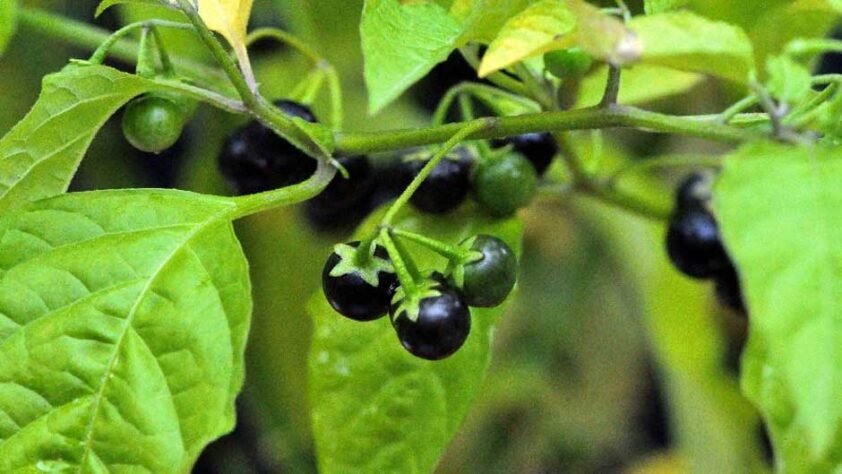
Its leaves are dark green, oval to heart-shaped, and usually have wavy or toothed edges. The plant produces small, star-shaped white or pale purple flowers in clusters.
The most distinctive feature is its fruit: small, round berries that start green and mature to a glossy black color. It is crucial to note the color change, as it is key to understanding the plant’s toxicity.
The plant is incredibly adaptable and is considered a cosmopolitan weed, thriving in disturbed soils, cultivated fields, gardens, and waste areas across temperate and tropical regions worldwide.
The Toxicity Factor: Understanding Solanine
Solanine and Poisoning Symptoms
The primary concern surrounding the black nightshade is the presence of glycoalkaloids, mainly solanine, which are natural toxins produced by the plant.
These compounds are concentrated in the green, unripe berries and the leaves, acting as a defense mechanism against herbivores.
Ingestion of sufficient quantities of these toxic parts can lead to solanine poisoning, which affects the gastrointestinal and nervous systems.
Symptoms can include nausea, vomiting, abdominal pain, diarrhea, headache, and in severe cases, drowsiness, confusion, and even hallucinations.
The severity of the reaction depends heavily on the amount consumed and the specific strain of the plant, as alkaloid levels can vary significantly.
A History of Use: Edibility and Traditional Medicine
Edible Ripe Berries
Despite its toxic reputation, the fully ripe, black berries of Solanum nigrum have been consumed in various cultures for generations, particularly in Africa, India, and parts of Europe.
The ripening process significantly reduces the concentration of toxic solanine, making the mature fruit safe for consumption when properly prepared.
In some regions, the ripe berries are used to make jams, pies, or are cooked into savory dishes, often valued for their slightly sweet, earthy flavor.
However, due to the difficulty in distinguishing between species and the risk of consuming unripe fruit, foraging for these berries is generally discouraged for the inexperienced.
Medicinal Applications
Beyond its culinary uses, black nightshade has a long-standing history in traditional folk medicine across the globe.
The plant has been used externally to treat skin conditions such as eczema, burns, and ulcers, owing to its purported anti-inflammatory properties.
Internally, extracts have been used in traditional systems to address a range of ailments, including fever, pain, and certain chronic conditions.
Modern scientific research is beginning to explore these traditional claims, investigating the plant’s potential for antioxidant, anti-cancer, and anti-inflammatory effects, though more study is needed.
Cultivation and Control: A Common Weed
Status as an Agricultural Pest
For many farmers, the black nightshade is not a traditional remedy but a persistent and problematic agricultural weed.
It competes aggressively with crops for nutrients, water, and sunlight, leading to significant yield reductions in fields of cotton, soybeans, and various vegetables.
Its presence can also complicate harvesting, and the contamination of harvested produce with its toxic green berries can render entire batches unsafe for consumption.
Control methods range from manual removal in small gardens to the extensive use of herbicides in large-scale commercial farming operations.
Safety First: Precautions and Misconceptions
Distinguishing from Deadly Nightshade
One of the most critical safety issues is the confusion between Solanum nigrum and the far more dangerous Deadly Nightshade, Atropa belladonna.
Deadly Nightshade contains highly potent tropane alkaloids, which are significantly more toxic than the solanine found in Solanum nigrum.
While both are in the nightshade family, they are distinct species with different appearances, and mistaking one for the other can have fatal consequences.
The common black nightshade is generally less toxic, but the principle remains: never consume any part of a wild plant unless its identity and edibility are confirmed by an expert.